April 1, 2026
daGama Travel Weekly#4: Exploring Mexico
Tourists in Mexico often overpay due to “gringo tax” pricing driven by online platforms, but by following local habits and avoiding tourist zones, they can enjoy better, more authentic experiences at much lower prices.

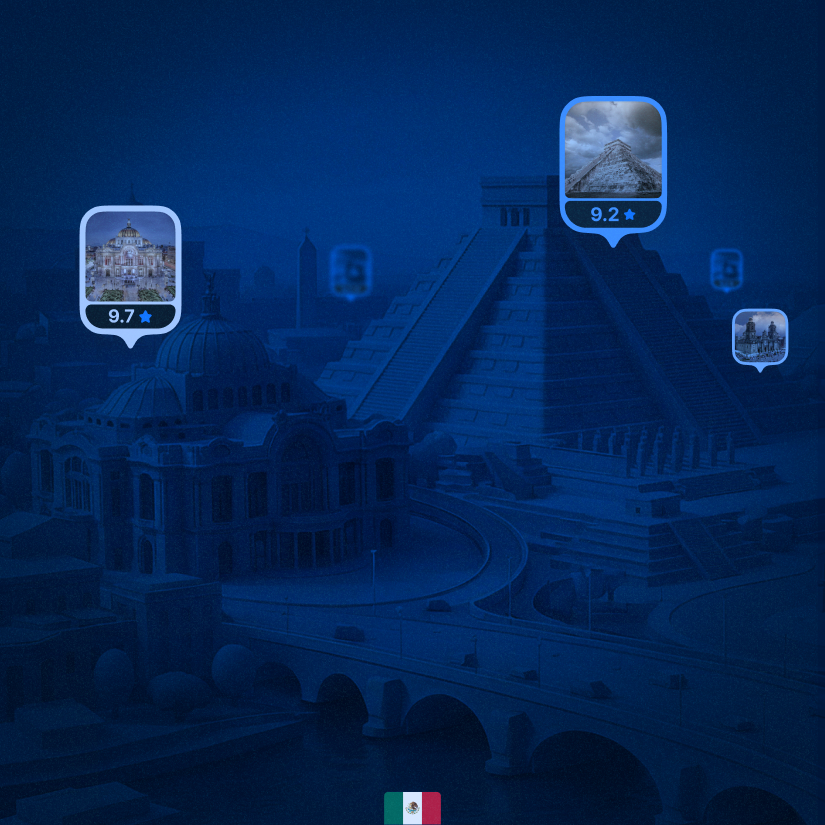
42 million tourists paid double what they should have in 2024. Here's how to not be one of them in 2026.
You're standing in Mexico City's Centro Histórico, staring at a menu. Tacos al pastor: 120 pesos. That's about $7. You know this seems expensive for Mexico, but the place has 4.5 stars on Google Maps and 800+ reviews. It must be good, right?
Twenty minutes away in Narvarte, a local family is paying 30 pesos for objectively better tacos at a place you'll never find on TripAdvisor because it has zero English presence and eleven total reviews—all in Spanish. You just paid the gringo tax. And you're not alone. Is there a way around this issue?
The Gringo Tax Economics
Mexico welcomed 42.2 million international visitors last year, generating $31.9 billion in tourism revenue. A substantial portion of that revenue comes from tourists unknowingly paying 200-400% markups because the internet's discovery algorithms systematically hide where Mexicans actually eat, stay, and spend their money.
The "gringo tax" is real and measurable here. Quite an example:
Hotels in Playa del Carmen
- Beach zone hotel: $180-$250 per night
- Verified local neighborhood (west of Constituyentes): $60-$90 per night
Quality difference: Minimal. Sometimes better amenities in local zones. Why does the gap exist? Beach proximity, English booking platforms, and resort amenities tourists expect but rarely use.
Traditional platforms amplify this extraction. Search "where to eat in Mexico City" and get 15,000 TripAdvisor results dominated by the same 200 restaurants in tourist zones that mastered review manipulation. The family-run taquería in Condesa with 120+ verified local check-ins on daGama but zero English online presence? Algorithmically invisible.
Only a tiny percentage of travelers trust all online reviews, yet they still rely on them because there's no better alternative. In Mexico, this trust deficit is particularly expensive because the price gap between tourist-optimized and authentic local experiences is among the highest globally.
What Verification Reveals: Three Cities
Mexico City: Where Chilangos Actually Live
Walk through Condesa, and you'll see beautiful tree-lined streets, excellent restaurants, and vibrant culture. But there are two Condesas—the one tourists discover through TripAdvisor, and the one locals actually use.
Verified local patterns: Roma Sur, Coyoacán (residential areas), Narvarte, Del Valle, and San Rafael show the highest verified chilango (Mexico City resident) engagement. These are working-class and middle-class neighborhoods where locals actually eat daily.
Average meal cost in verified local areas is around 120-180 pesos ($7-$10). Quality is exceptional because these establishments serve demanding locals who return weekly. Crypto acceptance is around 20% among verified local favorites versus 8% in tourist zones.
Specific example: A taquería in Narvarte with 183 verified local check-ins over 90 days, 4.8 rating from verified Mexico City residents (proven by sustained local presence), 150 pesos average meal, minimal English signage, and accepts USDT. It has 11 TripAdvisor reviews, all in Spanish. But it's where verified chilangos consistently eat.
Oaxaca: Beyond the Mezcal Bars
Oaxaca might have the highest tourist-to-local price differential in Mexico. It's become so popular with American travelers that entire business ecosystems exist purely to extract money from people who don't know better.
90% of international visitor reviews concentrate in the Centro Histórico within walking distance of the Zócalo. Mezcal bars charge 150-250 pesos per drink. Restaurants serve "traditional Oaxacan food" at 300-500 pesos per person.
Verified local reality: Jalatlaco, Xochimilco (the Oaxaca one, not CDMX), and areas near the UABJO university show verified local dining patterns. Mezcal at local spots? Around 50-80 pesos per drink, often better quality than tourist bars. Traditional food at comedores is around 80-120 pesos for exceptional meals.
The quality difference is stark. Tourist-zone tlayudas are acceptable, while verified local tlayuderías serve versions that make you understand why Oaxacans are fanatical about their regional food. The price is 60% lower, and the quality is dramatically higher.
Crypto acceptance in Oaxaca: surprisingly robust in verified local zones, driven by young Oaxacan entrepreneurs who understand that crypto tourists seek authenticity and are willing to pay fairly (but not tourist-trap premiums) for genuine experiences.
Playa del Carmen: A Cautionary Tale
Playa del Carmen is what happens when the gringo tax optimizes itself into an entire city. The beach zone has become so expensive that service workers commute from Cancún or live in areas tourists never visit.
What remains: Verified local check-ins concentrate in Colonia Ejidal, areas west of Constituyentes Avenue, and neighborhoods where service workers actually live. These zones show restaurants and shops serving locals at local prices—around 60-70% below beach zone equivalents.
Playa is mostly lost. Even these "local" areas show declining verified Mexican resident density as Playa becomes economically untenable for anyone not earning tourist-industry wages or property income. The verified discovery value is finding the least-gringo-optimized acceptable options and understanding Playa for what it is—a beach resort, not an authentic Mexican city.
The Stablecoin Mexico Strategy
Mexico shows fascinating crypto adoption patterns. Chainalysis's 2024 data ranked it 15th globally for cryptocurrency adoption, with particularly strong stablecoin usage for remittances and local transactions.
Two-week Mexico workflow using stablecoins:
Load approximately 30,000 MXN equivalent in USDC or USDT (~$1,700) via your wallet. Daily spending in verified local areas:
- Morning coffee/breakfast: 60-90 pesos USDC
- Lunch at verified local comedor: 120-180 pesos USDC
- Afternoon activities: mix crypto and cash
- Dinner at a verified local restaurant: 200-300 pesos USDC
- Evening drinks: 150-250 pesos USDC
Two-week savings versus a credit card:
- Traditional rails: $75-110 in foreign transaction fees (2-3%), conversion spreads (1-2%), dynamic currency conversion (3-5%)
- Stablecoin payments: $10-16 in network fees
- Net savings: $60-95 plus better value through authentic local pricing
Regional Discovery: Beyond Cancún-Tulum Corridor
The real opportunity isn't just avoiding gringo tax in CDMX, Oaxaca, and beach towns, but discovering the Mexico that algorithms ignore entirely.
Guanajuato: Spectacular colonial city, vibrant university culture, with excellent food scene. It receives a tiny fraction of Mexico City tourism because it lacks beach photos for Instagram. Verified Mexican travelers rate it exceptionally, but standard algorithms never surface it because beaches drive engagement.
Puebla: One of Mexico's great culinary capitals—origin of mole poblano, chiles en nogada, cemitas. Prices are 50-60% of the CDMX tourist zones, while quality matches or exceeds. But TripAdvisor's algorithm optimizes for review volume, not culinary expertise.
San Miguel de Allende: Here's where verification creates interesting distinctions. The city has a substantial American expat population, creating parallel economies. Filter for verified Mexican residents versus verified foreign residents on daGama and you'll discover completely different restaurant ecosystems at dramatically different prices—often in the same neighborhoods.
The Choice Is Yours
Mexico's tourism infrastructure has bifurcated into parallel realities. One optimized for extracting maximum money from tourists who don't know better, and one serving 128 million Mexicans who demand value and quality.
Traditional discovery algorithms lock you into the first system, while the verification infrastructure gives you access to the second.
The tacos cost the same to make, the mezcal comes from the same palenques, and the hotel rooms offer equivalent comfort. The only difference is whether you're discoverable through Google's algorithm or verifiable through blockchain attestations. Are you paying tourist prices because you don't know better, or because you haven't downloaded the right tools yet?
Smart travelers in 2026 figured this out. They eat where verified locals eat and pay what locals pay. They use stablecoins to avoid transaction fees. And they verify their experiences to help the next person avoid the gringo tax.
Stop paying the gringo tax. Download daGama, discover where Mexicans actually eat, pay with crypto, and verify your experiences.
Learn More | App Store | Google Play